
WEOM HD HD USB Thermal Core
The Workswell WEOM® HD USB is an ITAR-free, uncooled LWIR thermal camera core with a 1280 × 1024 px, 12 µm microbolometer, <30 mK NETD...
WEOM HD HD USB Thermal Core

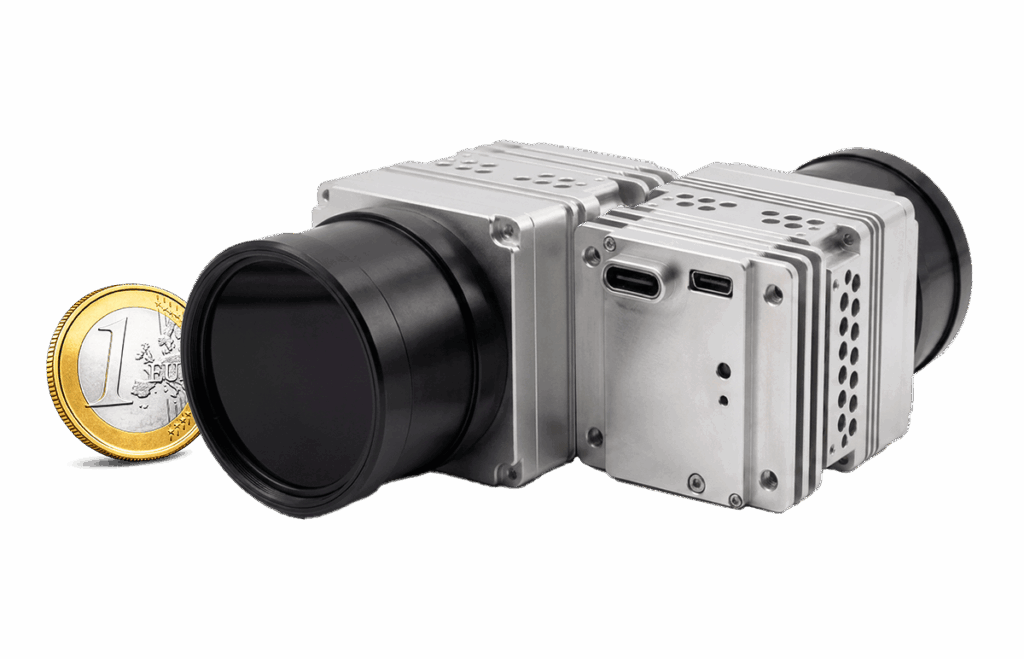
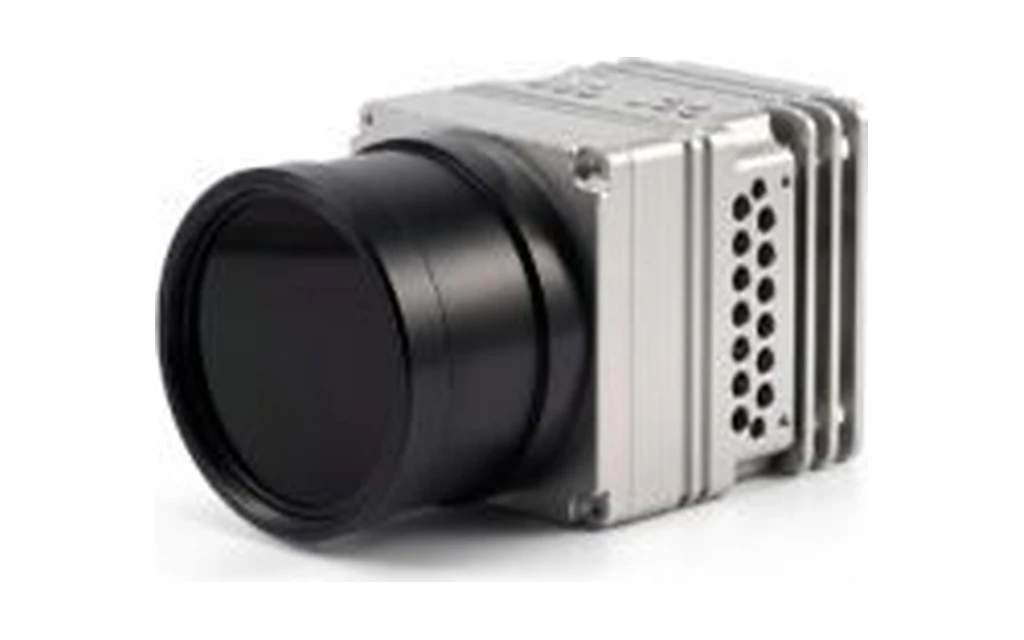
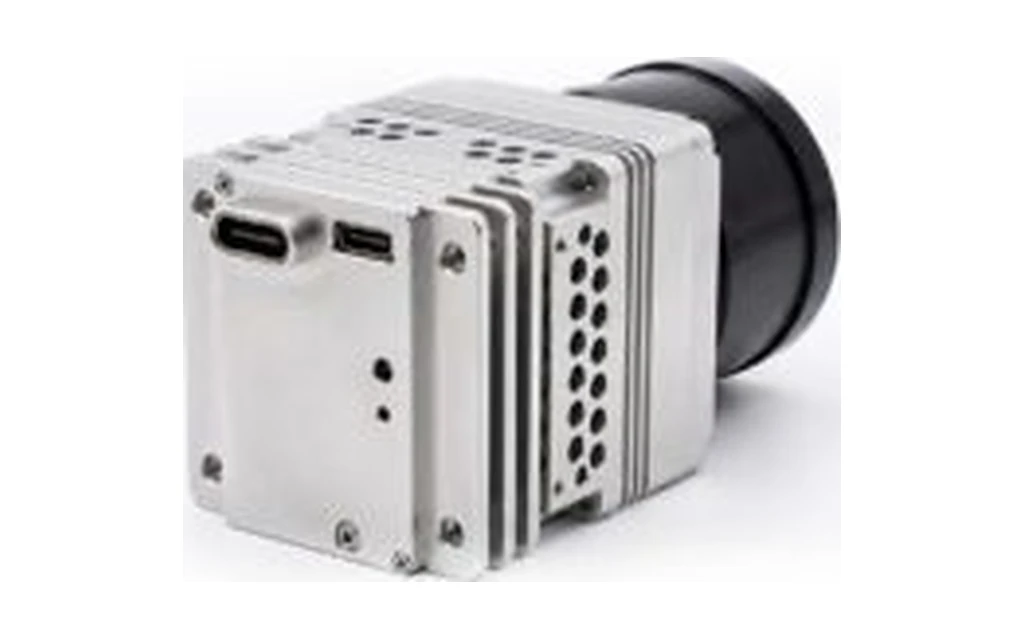
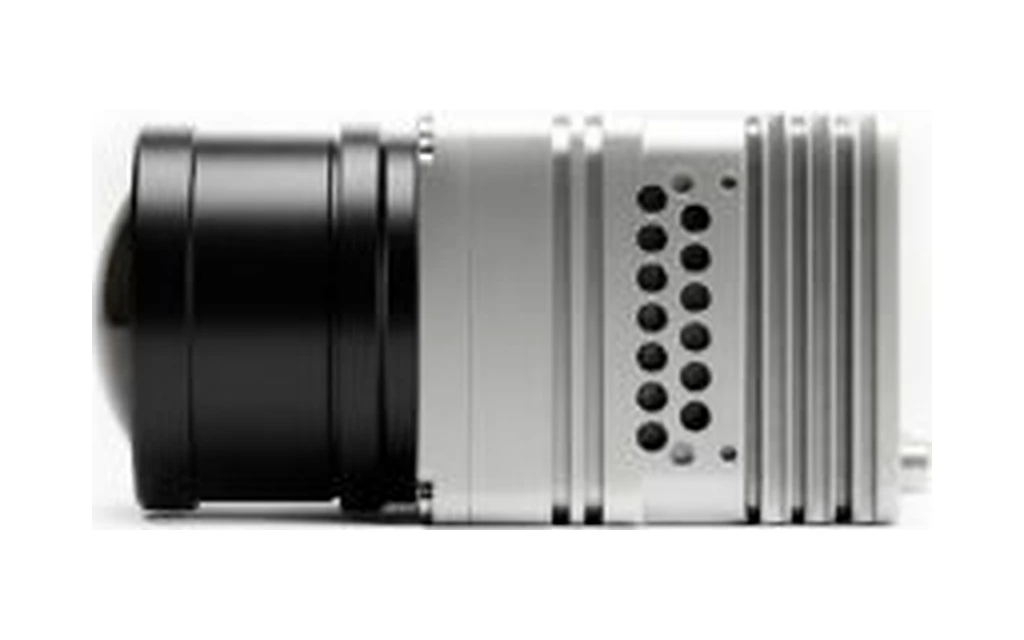
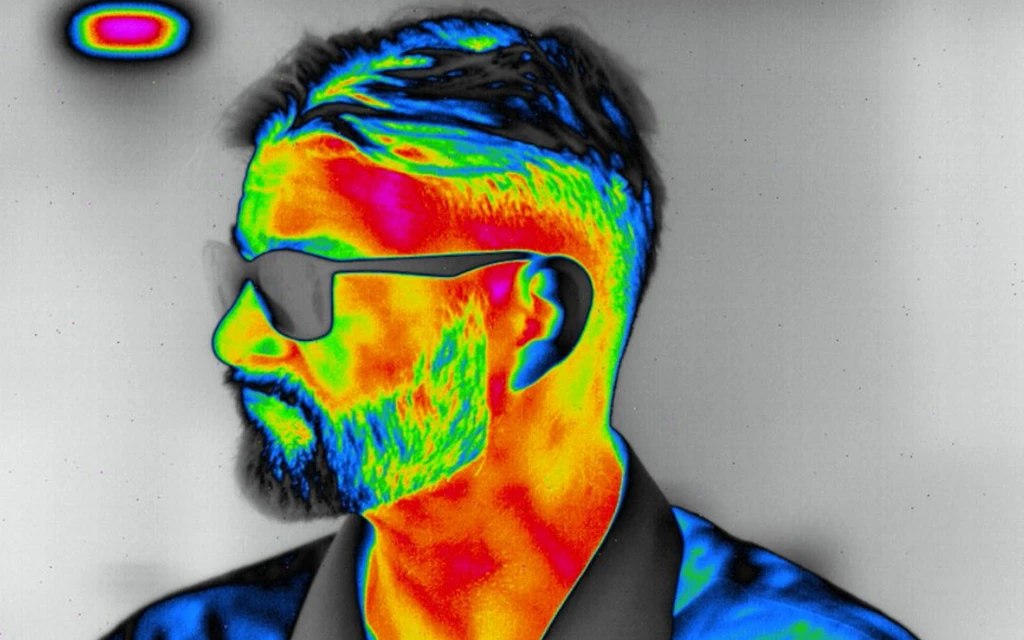
WEOM HD USB Thermal Core - plug-and-play USB-C UVC connectivity for rapid thermal imaging development and integration.
The Workswell WEOM® HD USB is an ITAR-free, uncooled LWIR thermal camera core with a 1280 × 1024 px, 12 µm microbolometer, <30 mK NETD and 8–14 µm spectral band. A single USB-C connector carries UVC video and power, so the camera works as a standard webcam-class device on Windows, Linux, NVIDIA Jetson and Raspberry Pi without custom drivers. United Spectrum Instruments is the authorised Workswell distributor in India.
In AI vision labs, university research groups and OEM prototyping workshops, engineers want high-resolution thermal data on their computer within minutes — not after weeks of interface board design. The Workswell WEOM® HD USB Thermal Core is an uncooled LWIR microbolometer camera module with a 1280 × 1024 px, 12 µm detector and a USB-C plugin that streams video using the standard UVC (USB Video Class) protocol.
Engineered for fast integration, the USB version pairs FPGA image processing and sub-30 mK sensitivity with a choice of 14-bit monochrome data or colourised YCbCr video, 9 Hz or 30 Hz frame rates, and four fixed-focus lenses or lensless delivery. Because UVC is natively supported by Windows, Linux and embedded platforms, the core appears as a standard camera device — ready for OpenCV, Python, GStreamer or your own application from the first connection.
United Spectrum Instruments is the authorised distributor of Workswell products in India, providing sales, technical support, and integration guidance for bringing the WEOM HD USB core into your research, AI and product development workflows.
Understanding WEOM HD HD USB Thermal Core
USB-C UVC Connectivity — Plug-and-Play HD Thermal Video Without Custom Drivers
The defining feature of this version is its USB plugin. A single USB-C connector carries both the video stream and the camera’s power supply, while an additional JST connector exposes auxiliary signals for system integration. The video is delivered using UVC (USB Video Class), the same open standard used by webcams, which means Windows, Linux and most embedded operating systems recognise the WEOM HD USB as a camera without any vendor-specific driver. In practice, this dramatically shortens development time. A researcher can connect the core to a laptop and capture HD thermal frames in OpenCV or Python within minutes. An AI team can feed the stream directly into a Jetson-based inference pipeline through standard V4L2 or GStreamer sources. An OEM can prove a product concept on a Raspberry Pi or NXP board before committing to custom electronics. Because the WEOM architecture uses the same thermal core hardware across all interface plugins, work done on the USB version transfers directly to later CMOS, HDMI or Ethernet builds, protecting the integrator’s software investment.
14-bit Thermal Data and 1280 × 1024 Resolution — Why Raw Data Matters for AI and Research
The WEOM HD USB can output either pre-gain-control 14-bit monochrome data or post-colouring YCbCr video. The colourised stream is ideal for live viewing, while the 14-bit stream preserves the full dynamic range of the detector — the data scientists and algorithm developers need for training neural networks, applying custom contrast enhancement, or analysing subtle thermal patterns that an 8-bit display image would compress away. Combined with 1,310,720 pixels on a 12 µm pitch — four times a 640 × 512 VGA core — this gives researchers rich, high-resolution datasets for object detection, sensor fusion and night-time perception research.
Technical Specifications
- Detector: Uncooled LWIR microbolometer, 1280 × 1024 px, 12 µm pixel pitch
- Thermal Sensitivity (NETD): <30 mK
- Spectral Range: 8–14 µm
- Video Interface: USB-C, UVC (USB Video Class) video output and power supply, plus JST AUX connector
- Video Format: 14-bit monochrome (pre-gain control) or colourised YCbCr
- Frame Rate: 9 Hz or 30 Hz full frame rate
- Lens Options: 25, 35, 50 or 83 mm fixed focus (34° to 10° HFOV) or lensless (M34 thread)
- Size, Weight & Power: 43 × 42 × 51 mm, <85 g without lens, typically 2.9 W; −32 °C to +70 °C operating
Key Features and Advantages
Plug-and-Play USB-C UVC Connectivity
A single USB-C cable carries HD thermal video and power. Standard UVC support means Windows, Linux and embedded operating systems recognise the camera instantly, with no proprietary drivers — cutting integration time from weeks to minutes for labs, AI teams and OEM prototypes.
HD 1280 × 1024 Resolution — 1.3 Megapixel Thermal Imaging
Over 1.3 million thermal pixels on a 12 µm pitch deliver four times the detail of VGA cores, giving longer detection range with the same lens or a wider field of view with the same detail for surveillance, inspection and research.
14-bit Raw Thermal Data for AI and Analysis
Choose 14-bit pre-gain-control monochrome data for full-dynamic-range analysis and neural-network training, or colourised YCbCr video for live viewing. Raw data preserves subtle temperature differences that 8-bit display images lose, giving algorithm developers and researchers the full detector dynamic range for custom enhancement, calibration studies and model training.
High Thermal Sensitivity — <30 mK NETD
Resolves temperature differences below 0.03 °C, producing clean, low-noise imagery in low-contrast scenes such as night-time landscapes, humid coastal air, fog and uniform indoor environments. Higher sensitivity also improves AI detection reliability, because models receive clearer edges and less noise to interpret.
Ready for Jetson, Raspberry Pi and NXP Platforms
Workswell lists NVIDIA Jetson, Raspberry Pi and NXP platforms as compatible. The UVC stream plugs straight into V4L2, GStreamer and OpenCV pipelines, enabling edge-AI thermal detection on compact embedded hardware. Developers can reuse familiar camera code and toolchains, moving from benchtop tests to field-deployable prototypes without rewriting their video capture layer.
Advanced FPGA Image Processing
On-board automatic gain control with plateau histogram equalisation, manual brightness/contrast, median spatial and 2×/4× temporal filters, 14 colour palettes (two user-definable), flip/mirror and dead-pixel correction deliver display-ready images with no host-side processing. This frees host CPU and GPU resources for analytics and AI inference rather than basic image correction.
Flexible Optics and Compact, Low-Power Design
Four fixed-focus lenses from 25 mm (34° × 27°) to 83 mm (10° × 8°), or lensless delivery with M34 thread. At under 85 g, 43 × 42 × 51 mm and typically 2.9 W, the core suits portable, mobile and fixed systems alike.
ITAR-Free European Design with Full Software Support
Designed and made by Workswell in Prague, Czech Republic, and ITAR-free, simplifying procurement for Indian defence and export-bound projects. Starts in under 5 seconds and is supported by the WEOM GUI, TCSI serial control, C++ and Python libraries, the SEP REST API and remote firmware updates.
Applications Across Industries
AI Vision and Edge Computing
Gives AI developers a fast, standard way to bring HD thermal data into machine-learning pipelines:
- Thermal object detection and tracking: stream 1280 × 1024 UVC video into Jetson or PC-based inference to train and deploy person, vehicle and animal detection models that work in total darkness, supporting India’s growing computer-vision start-up ecosystem
- Dataset creation: 14-bit raw thermal output provides full-dynamic-range training data for night-time perception, anomaly detection and thermal-visible fusion research
- Edge-AI product prototyping: run detection models on Raspberry Pi, NXP or Jetson boards connected over a single USB-C cable before designing production electronics
University and Research Laboratories
Delivers accessible HD thermal imaging for teaching and advanced research:
- Academic research: IITs, IISc, NITs and CSIR laboratories can capture HD thermal data directly into Python and MATLAB for heat transfer, materials science, robotics and computer-vision research
- Student and lab projects: plug-and-play UVC connectivity lets students start thermal experiments on standard laptops without specialised frame grabbers or drivers
- Sensor fusion research: combine the WEOM HD USB with visible cameras, LiDAR and radar on autonomous platforms for multi-sensor perception studies
OEM Product Development and Prototyping
Shortens the path from concept to production thermal products:
- Proof-of-concept builds: validate optics, field of view and algorithms on a USB-connected core before committing to custom interface electronics
- Migration path to production: the same WEOM thermal core hardware is used across USB, CMOS, HDMI and Ethernet plugins, so software and optical work transfers directly to production variants
- Handheld and portable devices: compact size and low power suit tablets, rugged handheld imagers and portable inspection tools built by Indian OEMs
UAV, UGV and Robotics
Adds HD thermal vision to unmanned platforms with companion computers:
- Drone payload development: connect the core to an onboard companion computer over USB-C for HD thermal imaging, recording and onboard AI during payload development and testing
- Ground robots and UGVs: passive LWIR perception reveals people and obstacles through darkness, smoke and dust, complementing visible cameras in navigation stacks
- Inspection robots: thermal monitoring of electrical panels, pipelines and industrial equipment from crawler and mobile inspection robots in plants across India
Security, Surveillance and Search
Supports thermal security systems and rapid-response tools:
- Perimeter and site security: HD thermal detection of human and vehicle intrusion at night and in poor weather for power plants, refineries, data centres and campuses
- Search and rescue tools: portable thermal systems help NDRF, SDRF and fire services locate people in smoke, darkness and disaster zones
- Anti-UAV research: LWIR imaging detects small drones by their warm motors and batteries, supporting counter-drone development at Indian defence and research organisations
Industrial Monitoring and Machine Vision
Brings HD thermal imaging into PC-based industrial systems:
- Process and equipment monitoring: USB-connected thermal cameras on industrial PCs watch motors, electrical cabinets and production equipment for overheating
- Machine vision inspection: thermal inspection of products and assemblies on production lines using standard UVC video in existing vision software
- Fire prevention: early detection of hotspots in warehouses, battery storage and recycling facilities before they develop into fires
Defence and Maritime Development
Supports indigenous defence and maritime thermal system development:
- Defence R&D: ITAR-free supply supports DRDO laboratories, defence PSUs and private Indian OEMs evaluating HD thermal cores for sights, observation devices and vehicle vision under Make in India programmes
- Maritime system prototyping: develop and test night navigation and man-overboard detection systems for vessels using a quick-connect USB core
- Border surveillance evaluation: compare lens options and detection ranges in the field before selecting the production interface and optics
Why Choose United Spectrum Instruments?
United Spectrum Instruments is the authorised distributor of Workswell WEOM HD USB thermal camera cores in India, providing end-to-end solutions and technical support.
- Genuine Workswell thermal cores with full manufacturer warranty
- Integration support for AI, research, OEM, UAV and security applications
- Guidance on lens selection, frame rate version and interface choice
- Pan-India sales, technical support and after-sales service
- Competitive pricing with GST-compliant documentation
With a strong portfolio in photonics and thermal imaging, United Spectrum Instruments ensures Indian researchers, developers and OEMs access world-class, ITAR-free HD thermal imaging cores for fast, reliable system development.
FAQs
What is the Workswell WEOM HD USB thermal core used for?
The WEOM HD USB is a 1280 × 1024 LWIR thermal camera core with a USB-C plugin, used where fast, simple connection to a computer matters. Typical uses include AI and computer-vision development, university research, OEM product prototyping, UAV and robot companion-computer systems, PC-based industrial monitoring and security systems. In India it is particularly relevant for AI start-ups, IIT and CSIR research groups, drone developers and OEMs evaluating HD thermal imaging.
What is UVC, and why does it matter for a thermal camera?
UVC (USB Video Class) is the open standard used by webcams. Because the WEOM HD USB streams video over UVC, Windows, Linux and most embedded operating systems recognise it as a standard camera without installing vendor-specific drivers. You can open the stream in OpenCV, GStreamer, V4L2 tools or your own software immediately, which greatly reduces integration effort compared with thermal cameras that need proprietary drivers or frame grabbers.
How is the USB version different from the WEOM HD CMOS version?
Both use the same 1280 × 1024 thermal core hardware and image processing. The USB version adds a plugin with a USB-C connector carrying UVC video and power, plus a JST connector for auxiliary signals — ideal for plug-and-play use with PCs and embedded boards. The CMOS version is intended for direct board-level connection into the integrator’s own electronics. Many teams develop on the USB version, then move to CMOS or another plugin for production.
What video formats does the WEOM HD USB provide?
The camera can output 14-bit monochrome data before gain control, which preserves the full dynamic range of the detector, or colourised YCbCr video after palette processing for direct viewing. The 14-bit stream is preferred for AI training, custom image enhancement and scientific analysis, while YCbCr video is convenient for displays and recording.
Is the WEOM HD USB compatible with NVIDIA Jetson and Raspberry Pi?
Yes. Workswell lists NVIDIA Jetson, Raspberry Pi and NXP platforms as compatible with the WEOM architecture. On Linux-based boards the UVC stream is accessible through standard V4L2 and GStreamer interfaces, so you can run thermal object detection and tracking models at the edge. C++ and Python libraries are also available for camera control.
What resolution and thermal sensitivity does it offer?
The WEOM HD USB uses a 1280 × 1024 px uncooled microbolometer with a 12 µm pixel pitch — about 1.3 million pixels, four times a 640 × 512 VGA core — and thermal sensitivity (NETD) below 30 mK. This means it resolves temperature differences below 0.03 °C, producing sharp, low-noise images even in low-contrast night-time and humid scenes.
Can the camera be powered over the USB-C cable?
Yes. The USB plugin’s USB-C connector provides both UVC video output and the power supply, so a single cable connects the camera to the host. Typical power dissipation is about 2.9 W. For long cables, hubs or low-power embedded hosts, ensure the USB port can supply enough current reliably; our team can advise on host and cable selection.
Which lenses are available, and what detection range can I expect?
Four fixed-focus M34 lenses are offered: 25 mm (34° × 27°), 35 mm (24° × 19°), 50 mm (17° × 13°) and 83 mm (10° × 8°), or the core can be supplied without a lens. Based on Workswell’s Johnson-criteria calculations, human detection range is about 1,320 m with the 25 mm lens and about 4,380 m with the 83 mm lens. Real-world range depends on atmosphere and integration.
What is the difference between the 9 Hz and 30 Hz versions?
The 30 Hz version delivers smooth full-frame video, preferred for moving platforms, handheld devices, AI tracking and real-time applications. The 9 Hz version is commonly chosen where export regulations treat higher frame-rate thermal imagers more strictly, which can ease licensing for some end uses and destinations. Both use the same detector and processing. United Spectrum Instruments can advise which suits your project.
What software is available for configuring the camera?
The WEOM GUI desktop software configures gain control, spatial and temporal filters, palettes, frame rate and dead-pixel correction, and supports remote firmware updates. For custom applications, all functions are controlled through the TCSI serial interface with C++ and Python libraries and the SEP REST API. Workswell’s developer centre provides integration documentation.
Is the WEOM HD USB ITAR-free, and what are its environmental ratings?
Yes. It is designed and manufactured by Workswell in Prague, Czech Republic, and is ITAR-free, simplifying procurement for Indian defence, research and export-bound projects. The core operates from −32 °C to +70 °C, stores from −50 °C to +90 °C, handles 5–95% non-condensing humidity, has IP67 protection at the front of the lens and is RoHS, REACH, WEEE and CE compliant.
How can Indian research institutions, AI developers and OEMs procure the WEOM HD USB through United Spectrum Instruments?
Contact United Spectrum Instruments at sales@unitedspectrum.in or info@unitedspectrum.in, or call +91 93631 83748 / +91 97899 04948. Share your application, host platform (PC, Jetson, Raspberry Pi or NXP), required field of view and detection range, preferred frame rate, and quantity. Our team will recommend the right lens and configuration, support evaluation where possible, and prepare a formal techno-commercial proposal with GST-compliant documentation. Support is provided pan-India from our Chennai headquarters at 5/45 Karunaa Conclave, Anna Nagar, Chennai – 600040.
GET IN TOUCH WITH US
Have a Project in Mind ? Let’s Talk
FAQs
What is the Workswell WEOM HD USB thermal core used for?
The WEOM HD USB is a 1280 × 1024 LWIR thermal camera core with a USB-C plugin, used where fast, simple connection to a computer matters. Typical uses include AI and computer-vision development, university research, OEM product prototyping, UAV and robot companion-computer systems, PC-based industrial monitoring and security systems. In India it is particularly relevant for AI start-ups, IIT and CSIR research groups, drone developers and OEMs evaluating HD thermal imaging.
What is UVC, and why does it matter for a thermal camera?
UVC (USB Video Class) is the open standard used by webcams. Because the WEOM HD USB streams video over UVC, Windows, Linux and most embedded operating systems recognise it as a standard camera without installing vendor-specific drivers. You can open the stream in OpenCV, GStreamer, V4L2 tools or your own software immediately, which greatly reduces integration effort compared with thermal cameras that need proprietary drivers or frame grabbers.
How is the USB version different from the WEOM HD CMOS version?
Both use the same 1280 × 1024 thermal core hardware and image processing. The USB version adds a plugin with a USB-C connector carrying UVC video and power, plus a JST connector for auxiliary signals — ideal for plug-and-play use with PCs and embedded boards. The CMOS version is intended for direct board-level connection into the integrator’s own electronics. Many teams develop on the USB version, then move to CMOS or another plugin for production.
What video formats does the WEOM HD USB provide?
The camera can output 14-bit monochrome data before gain control, which preserves the full dynamic range of the detector, or colourised YCbCr video after palette processing for direct viewing. The 14-bit stream is preferred for AI training, custom image enhancement and scientific analysis, while YCbCr video is convenient for displays and recording.
Is the WEOM HD USB compatible with NVIDIA Jetson and Raspberry Pi?
Yes. Workswell lists NVIDIA Jetson, Raspberry Pi and NXP platforms as compatible with the WEOM architecture. On Linux-based boards the UVC stream is accessible through standard V4L2 and GStreamer interfaces, so you can run thermal object detection and tracking models at the edge. C++ and Python libraries are also available for camera control.
What resolution and thermal sensitivity does it offer?
The WEOM HD USB uses a 1280 × 1024 px uncooled microbolometer with a 12 µm pixel pitch — about 1.3 million pixels, four times a 640 × 512 VGA core — and thermal sensitivity (NETD) below 30 mK. This means it resolves temperature differences below 0.03 °C, producing sharp, low-noise images even in low-contrast night-time and humid scenes.
Can the camera be powered over the USB-C cable?
Yes. The USB plugin’s USB-C connector provides both UVC video output and the power supply, so a single cable connects the camera to the host. Typical power dissipation is about 2.9 W. For long cables, hubs or low-power embedded hosts, ensure the USB port can supply enough current reliably; our team can advise on host and cable selection.
Which lenses are available, and what detection range can I expect?
Four fixed-focus M34 lenses are offered: 25 mm (34° × 27°), 35 mm (24° × 19°), 50 mm (17° × 13°) and 83 mm (10° × 8°), or the core can be supplied without a lens. Based on Workswell’s Johnson-criteria calculations, human detection range is about 1,320 m with the 25 mm lens and about 4,380 m with the 83 mm lens. Real-world range depends on atmosphere and integration.
What is the difference between the 9 Hz and 30 Hz versions?
The 30 Hz version delivers smooth full-frame video, preferred for moving platforms, handheld devices, AI tracking and real-time applications. The 9 Hz version is commonly chosen where export regulations treat higher frame-rate thermal imagers more strictly, which can ease licensing for some end uses and destinations. Both use the same detector and processing. United Spectrum Instruments can advise which suits your project.
What software is available for configuring the camera?
The WEOM GUI desktop software configures gain control, spatial and temporal filters, palettes, frame rate and dead-pixel correction, and supports remote firmware updates. For custom applications, all functions are controlled through the TCSI serial interface with C++ and Python libraries and the SEP REST API. Workswell’s developer centre provides integration documentation.
Is the WEOM HD USB ITAR-free, and what are its environmental ratings?
Yes. It is designed and manufactured by Workswell in Prague, Czech Republic, and is ITAR-free, simplifying procurement for Indian defence, research and export-bound projects. The core operates from −32 °C to +70 °C, stores from −50 °C to +90 °C, handles 5–95% non-condensing humidity, has IP67 protection at the front of the lens and is RoHS, REACH, WEEE and CE compliant.
How can Indian research institutions, AI developers and OEMs procure the WEOM HD USB through United Spectrum Instruments?
Contact United Spectrum Instruments at sales@unitedspectrum.in or info@unitedspectrum.in, or call +91 93631 83748 / +91 97899 04948. Share your application, host platform (PC, Jetson, Raspberry Pi or NXP), required field of view and detection range, preferred frame rate, and quantity. Our team will recommend the right lens and configuration, support evaluation where possible, and prepare a formal techno-commercial proposal with GST-compliant documentation. Support is provided pan-India from our Chennai headquarters at 5/45 Karunaa Conclave, Anna Nagar, Chennai – 600040.
WHAT WE OFFER
Reliable Engineering Solutions for Modern Manufacturing

Imaging Cameras & Wavefront Sensors

Laser Sources

Dust & Fume Extractors

Industrial Laser Systems

Optical Communication Test & Measurement
Optical Sensors, IR Emitters & LED's
